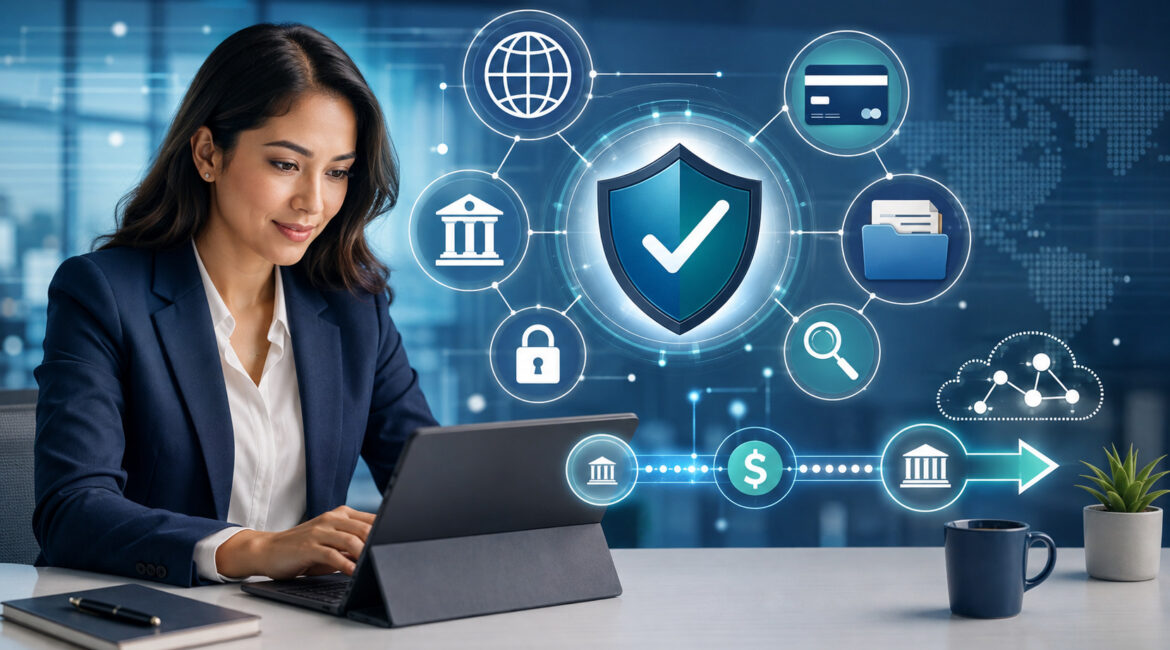
Accepting bank-account payments through a website, mobile app, customer portal, or other online channel creates a particular fraud problem: a business may receive routing and account information without knowing whether the account is real, open, capable of receiving ACH entries, or connected to the person entering the information. That risk...
Merchant Services Checklist for Businesses
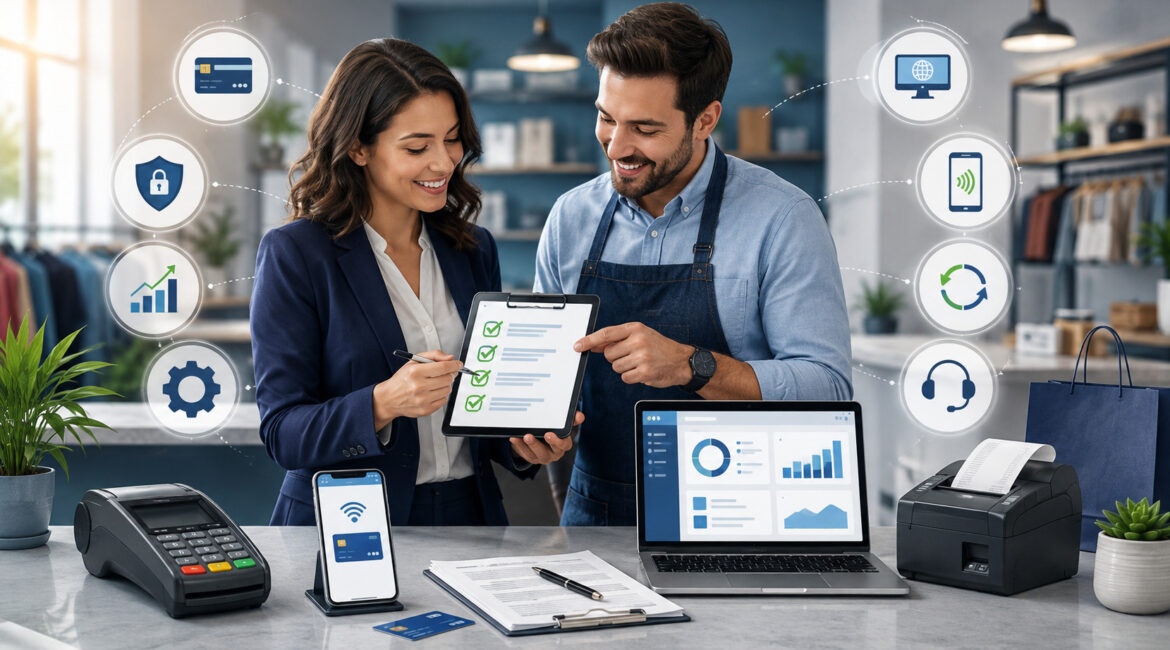
Accepting electronic payments involves more than choosing a card terminal and opening an account. A business must understand how transactions will be accepted, authorized, secured, settled, reported, refunded, and reconciled before the first customer payment is processed. A merchant services checklist for businesses provides a structured way to evaluate these...
Multi-Channel Payment Acceptance Explained
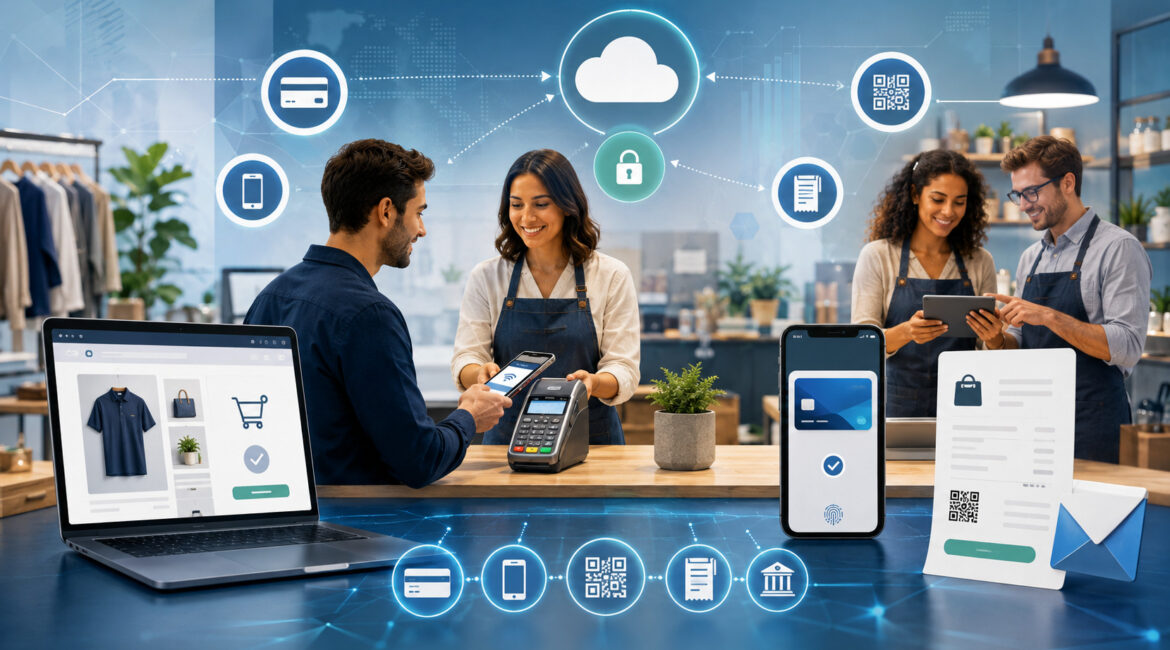
Customers no longer interact with businesses through a single checkout counter. One person may discover a product through social media, review it on a mobile website, complete the purchase on a laptop, request support by telephone, and return the item at a physical location. Another customer may receive an invoice...
Understanding Transaction Life Cycles

A customer taps a card, enters payment details online, approves a digital wallet, or authorizes a bank debit. The visible step may take moments, but the payment continues through several stages before the business can treat the money as received and correctly recorded. That journey is the transaction life cycle....
Common Payment Processing Mistakes to Avoid
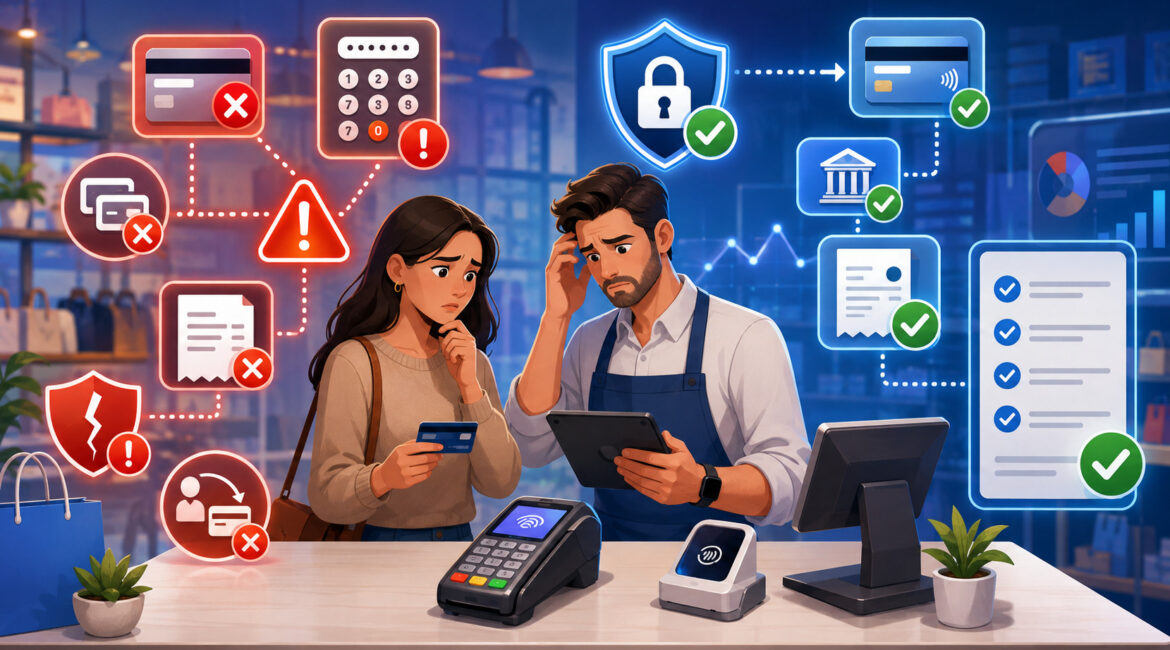
Accepting payments may appear straightforward from the customer’s perspective. A customer taps a card, enters payment information online, follows a payment link, or authorizes a bank transfer. Behind that brief interaction, however, several systems must communicate correctly to authorize the transaction, record the sale, transfer funds, protect sensitive information, and...
How Businesses Accept Electronic Payments
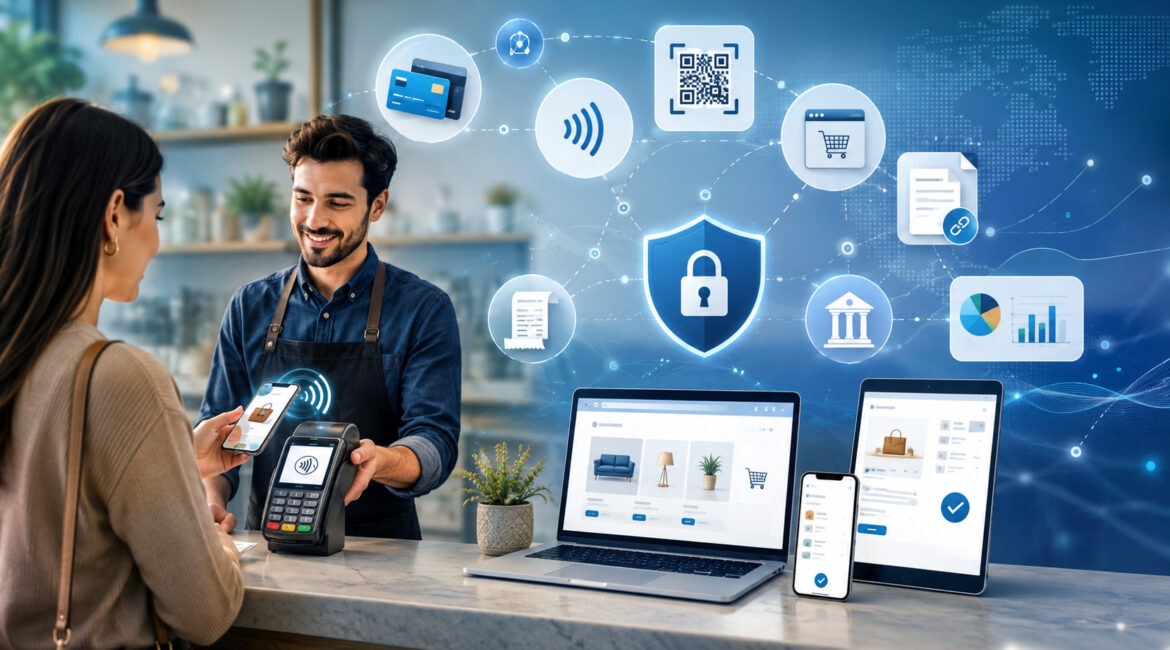
Electronic payments allow a business to receive money without exchanging physical cash or waiting for a paper check to move through a manual deposit process. A customer may insert a chip card at a counter, tap a phone on a terminal, enter payment details at an online checkout, authorize a...
Benefits of ACH Payments for Businesses
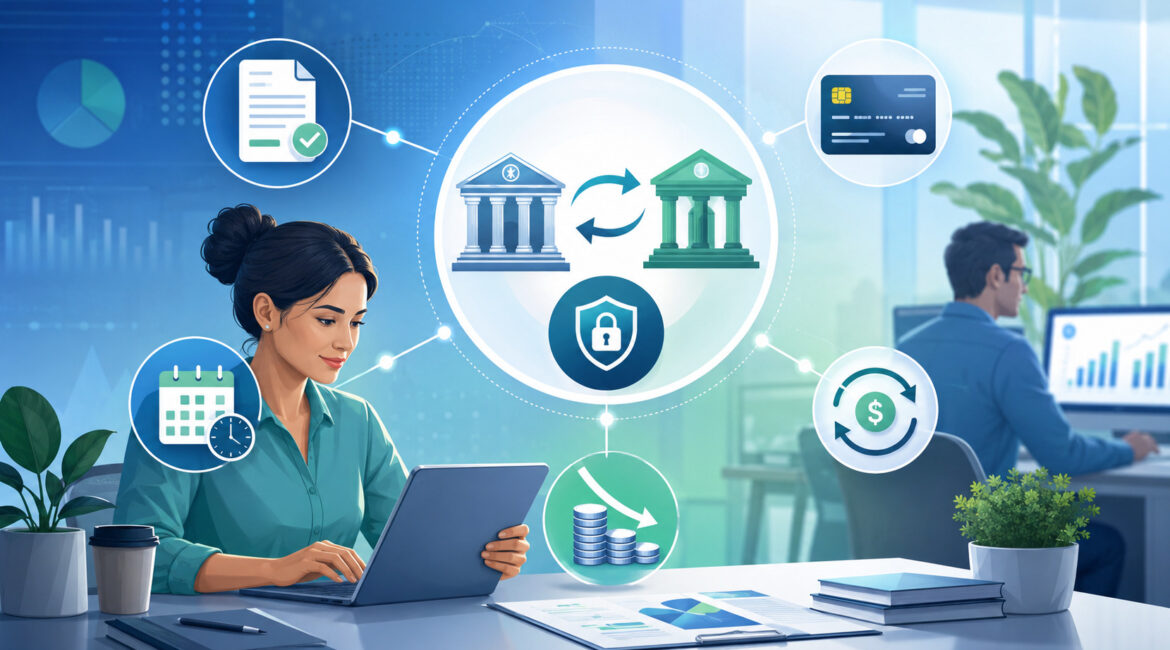
Businesses need payment methods that match how they sell, invoice, collect, and pay. Cards are useful for quick checkout, checks remain familiar in some industries, and wire transfers can serve urgent transactions. Yet many organizations also need an efficient way to move money directly between bank accounts for recurring bills,...
Payment Gateway Integration Checklist
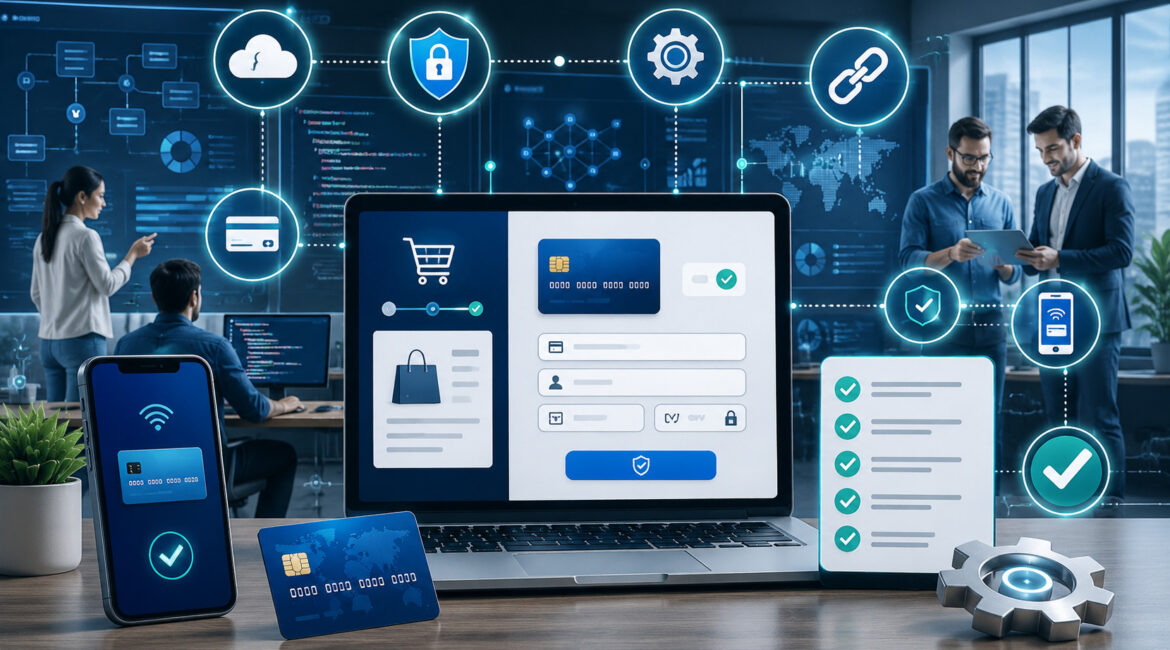
A payment gateway integration checklist helps a business prepare to accept online payments with fewer surprises, fewer technical gaps, and a smoother customer experience. Whether you run an ecommerce store, subscription service, restaurant ordering page, retail website, booking platform, mobile app, or service business, the payment experience becomes part of...
ACH Processing Costs Explained
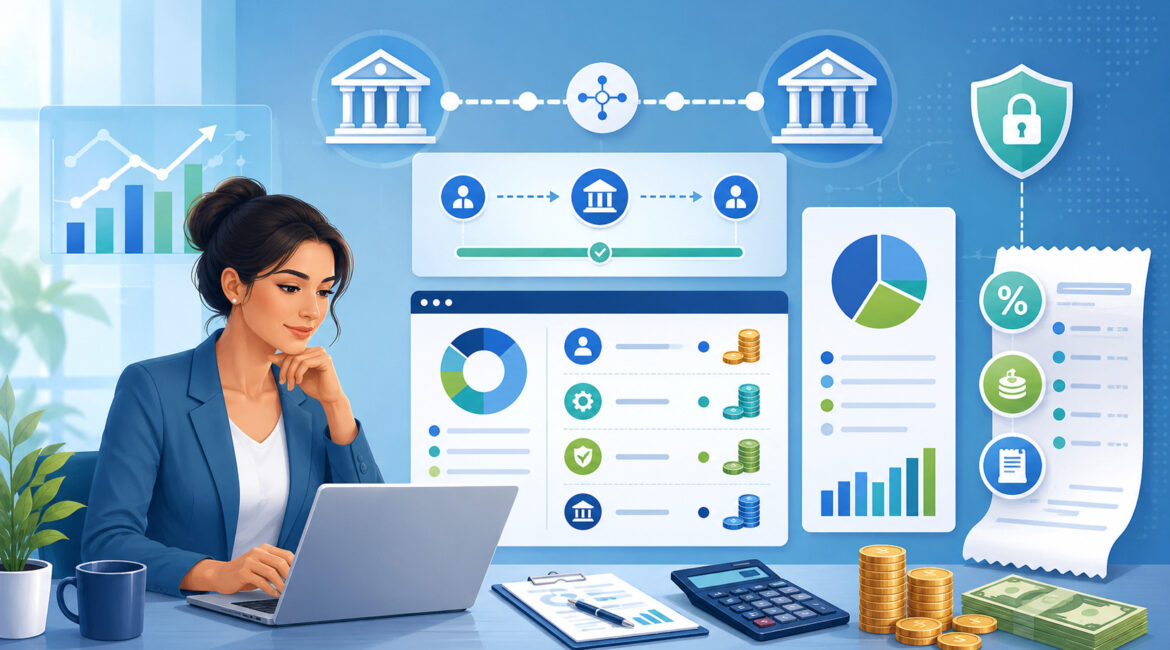
ACH processing costs are the fees and related expenses a business may pay when it accepts or sends payments through bank account transfers instead of card networks. For many businesses, ACH can be a practical way to collect invoices, manage recurring billing, pay vendors, receive donations, process rent, or handle...
Payment Processing Challenges and Solutions
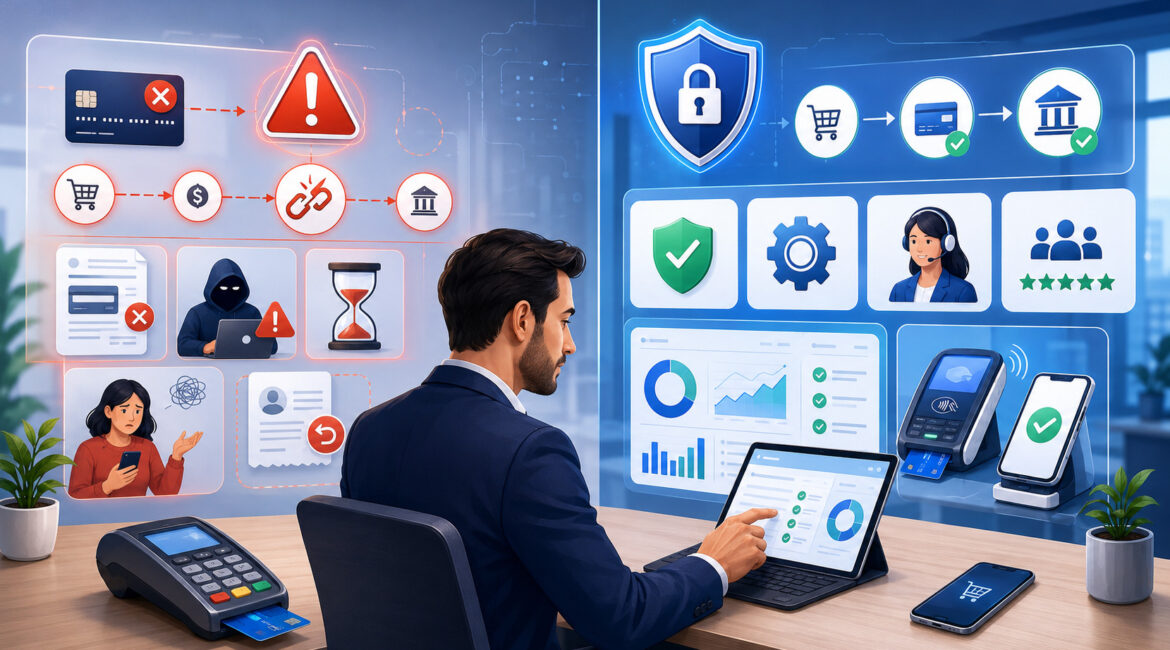
Payment processing challenges can affect almost every part of a business. A declined card may cost a sale. A delayed deposit may disrupt cash flow. A confusing statement may make accounting harder. A chargeback may take time, money, and documentation to resolve. For businesses that accept cards, digital wallets, invoices,...