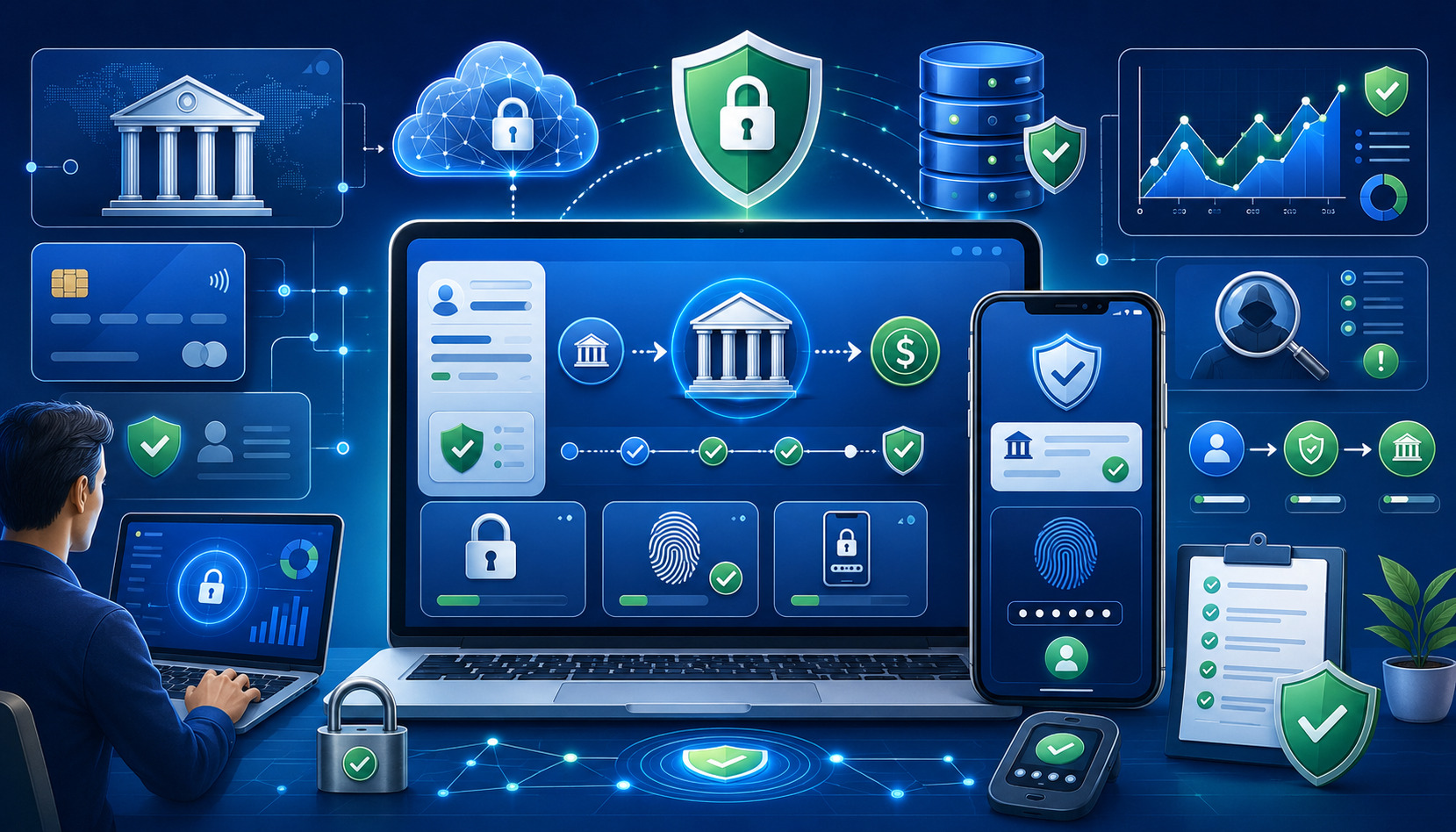
ACH payment security is an essential part of accepting, sending, and managing bank account payments responsibly. Whether a business collects monthly rent, processes subscription billing, accepts invoice payments, pays vendors, receives donations, or manages recurring service payments, ACH transactions involve sensitive financial details that must be protected from misuse.
ACH payments can be efficient and convenient, but they are not “set it and forget it” payments. Businesses need clear authorization records, secure payment portals, bank account verification, strong access control, fraud monitoring, reconciliation, and trained employees who understand how to handle payment data carefully.
This guide explains ACH payment security best practices in a practical way for business owners, ecommerce sellers, subscription businesses, finance teams, bookkeepers, nonprofits, landlords, B2B companies, service providers, and new merchants.
It covers how ACH payments work, where risks appear, how to protect customer bank data, how to reduce unauthorized ACH transactions, and how to build safer payment operations without overcomplicating the process.
What Is ACH Payment Security?
ACH payment security means protecting every step of an ACH transaction, from the moment a customer provides bank account information to the final settlement, reconciliation, refund, or dispute review. It includes technical safeguards, operational procedures, employee training, authorization management, fraud prevention, and documentation.
At a basic level, ACH security focuses on making sure payments are authorized, bank account information is handled safely, and only approved users can access or change payment data. This includes protecting routing numbers, account numbers, customer names, invoices, payment schedules, authorization records, refund records, and settlement reports.
ACH payment protection is not only about preventing hackers from stealing data. It also includes reducing everyday operational risks.
For example, a business may accidentally debit the wrong amount, process a recurring ACH payment after cancellation, send a vendor payment to an outdated account, or allow an employee with unnecessary access to export customer bank data.
Secure ACH payments depend on several controls working together:
- Clear ACH authorization and customer consent
- Bank account verification before payment activity
- Secure payment portals and encrypted forms
- Tokenization or masked account storage where available
- Multi-factor authentication for payment dashboards
- Role-based access for staff
- Dual control for payment approvals
- ACH returns monitoring
- Regular reconciliation
- Documented refund and correction procedures
- Employee training on phishing prevention and business email compromise
Why ACH Security Matters for Businesses
ACH security matters because ACH payments connect directly to bank accounts. If a business handles customer bank data casually, stores authorization records poorly, or fails to monitor returns and disputes, the result can be financial loss, customer complaints, operational confusion, and damaged trust.
For businesses that rely on recurring ACH payments, security directly affects cash flow. Subscription businesses, landlords, nonprofits, membership organizations, and service providers often use ACH debit for predictable billing.
If authorizations are unclear or payment schedules are poorly managed, customers may dispute transactions, revoke authorization, or lose confidence in the billing process.
For finance teams and bookkeepers, ACH transaction security supports accurate records. Secure workflows help match invoices, payments, settlement deposits, ACH returns, refunds, and bank activity. When payment records are incomplete, reconciliation becomes difficult, and errors can remain hidden until they become larger problems.
ACH fraud prevention is also important for businesses that send ACH credits. Vendor payments, contractor payments, payroll-related transfers, supplier invoices, refunds, and partner payments may be targeted by phishing, fake account-change requests, and business email compromise. A single payment sent to the wrong account can create serious recovery challenges.
ACH payment security also supports compliance awareness. Businesses do not need to become legal experts, but they should understand that ACH payment authorization, data privacy, customer consent, and payment dispute handling are serious responsibilities.
When formal interpretation is needed, businesses should consult qualified legal, compliance, banking, or cybersecurity professionals.
How ACH Payments Work in Simple Terms
ACH payments move money electronically between bank accounts through the ACH network. A business may either pull funds from a customer’s account through an ACH debit or send funds to another party through an ACH credit.
In an ACH debit, the customer or payer authorizes the business to collect money from their bank account. This may happen for invoices, rent, subscriptions, memberships, utility-style billing, donations, tuition, retainers, or service payments. The business submits the payment through an ACH processor, payment gateway, bank portal, or accounting platform.
In an ACH credit, the business sends money to a recipient. This may include vendor payments, supplier payments, contractor payments, refunds, reimbursements, payroll-related payments, or business-to-business transfers. The business initiates the payment after verifying the recipient’s banking details and approving the payment.
A beginner-friendly ACH flow looks like this:
- The payer provides bank account details and ACH authorization.
- The business submits the ACH transaction through a secure system.
- The ACH processor or payment gateway sends the entry to the business’s originating bank.
- The originating bank, often called the ODFI, sends the entry into the ACH network.
- The receiving bank, called the RDFI, receives the entry for the payer or recipient account.
- The payment settles if accepted.
- If something is wrong, an ACH return may occur.
- The business reconciles the payment, return, refund, or correction in its records.
ACH payments are generally processed in batches rather than as instant individual card-style authorizations. This means businesses must monitor the full payment lifecycle. A payment that appears submitted may still return later because of insufficient funds, invalid account details, closed accounts, stop payments, revoked authorization, or other issues.
ACH Payment Security Risk Table
The table below summarizes common ACH security risks, what can go wrong, practical protections, and business impact.
| ACH Security Risk | What Can Go Wrong | Best Practice | Business Impact |
| Weak ACH authorization | Customer disputes a debit because consent is unclear or missing | Use clear ACH payment authorization records for one-time and recurring payments | Fewer disputes and stronger documentation |
| Unsecured bank data collection | Account and routing numbers are collected by email, text, or unprotected forms | Use secure payment portals and encrypted online forms | Lower exposure of customer bank data |
| Fake vendor bank change | Fraudster impersonates a vendor and changes payment instructions | Verify banking changes using a trusted callback process | Reduced risk of misdirected ACH credits |
| Shared staff logins | No clear record of who created, edited, or approved payments | Require unique user accounts and MFA | Better accountability and audit trails |
| Excessive user permissions | Too many employees can approve, refund, export, or edit bank data | Apply role-based access and least privilege | Less internal misuse and fewer mistakes |
| No dual control | One person can create and approve large payments | Require separate payment entry and approval for sensitive transactions | Lower fraud and error risk |
| Ignored ACH returns | Failed or unauthorized returns are not reviewed quickly | Monitor ACH returns and return codes regularly | Faster issue resolution and better risk management |
| Poor reconciliation | Payments, deposits, refunds, and returns do not match accounting records | Reconcile gateway, bank, invoice, and accounting data | More accurate cash flow and bookkeeping |
| Phishing attacks | Login credentials or payment instructions are stolen | Train staff, use MFA, and verify payment changes outside email | Reduced account takeover and payment redirection |
| Missing audit logs | No record of permission changes, refunds, exports, or payment edits | Review audit logs and unusual activity | Better incident response and control oversight |
Common ACH Payment Security Risks
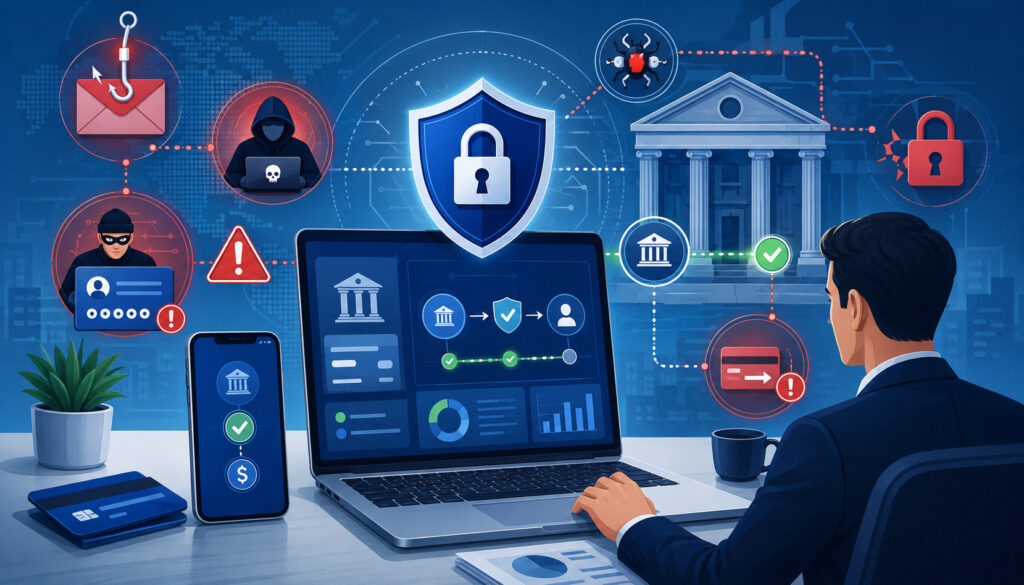
ACH payment security risks usually fall into three broad categories: authorization problems, data protection weaknesses, and operational fraud. Businesses should understand all three because ACH payment fraud is often caused by process gaps rather than sophisticated technology alone.
Authorization problems happen when a business cannot prove that a customer approved a debit. This may involve missing ACH debit authorization, vague recurring billing terms, outdated consent records, unclear cancellation policies, or poor customer communication.
Data protection weaknesses occur when customer bank data is collected, stored, or shared in unsafe ways. Common examples include asking customers to email routing and account numbers, keeping bank details in shared spreadsheets, storing scanned forms without access restrictions, or allowing too many employees to export payment reports.
Operational fraud includes phishing, business email compromise, account takeover, fake vendor changes, internal misuse, refund abuse, and payment redirection. These threats often target finance teams, bookkeepers, executives, customer support staff, and anyone who can access payment systems or approve transfers.
Unauthorized ACH Transactions
Unauthorized ACH transactions occur when money is debited from an account without proper permission, after authorization has been revoked, or in a way that does not match the approved terms.
For example, a customer may authorize a monthly debit but later dispute a transaction because the amount changed, the payment date was unexpected, or cancellation was not processed correctly.
For businesses, unauthorized ACH transactions create several problems. They can lead to ACH returns, customer complaints, payment disputes, service interruptions, and internal review work. If unauthorized activity becomes a pattern, it may also affect processing relationships and risk reviews.
Strong ACH authorization practices reduce this risk. Businesses should document customer consent, clearly explain amounts and schedules, provide confirmation, store authorization records securely, and maintain a reliable cancellation process.
For recurring ACH payments, customers should know when payments will occur, how to update bank account details, and how to stop future debits.
Business Email Compromise and Payment Redirection
Business email compromise is a serious payment security risk because it often looks like ordinary business communication. An attacker may impersonate a vendor, executive, landlord, employee, contractor, or customer and request a change to banking details. The email may look urgent, familiar, and believable.
A common example is a fake vendor email saying, “We changed banks. Please use this new account for future ACH payments.” If the finance team updates payment details without independent verification, the next ACH credit may go to the fraudster’s account.
Payment redirection can also happen through compromised email accounts. In that situation, the message may come from a real vendor or employee account, making it harder to spot. That is why businesses should not rely on email alone for bank account changes.
The safer process is callback verification using trusted contact information already on file, not a phone number or email address included in the change request. Businesses should also document who requested the change, who verified it, when it was approved, and which payment records were updated.
ACH Authorization Best Practices
ACH authorization is the foundation of ACH payment security. Before a business initiates an ACH debit, it should have the customer’s permission and a record that explains what was authorized. This applies to one-time payments, recurring ACH payments, installment plans, donations, memberships, rent, tuition, retainers, and invoice payments.
An effective ACH payment authorization process should clearly explain who is being paid, who is paying, the bank account being used, the amount or calculation method, the timing of the payment, and whether the payment is one-time or recurring. If the amount can vary, the customer should understand how and when the amount is determined.
For recurring payments, the authorization should explain billing frequency, start date, cancellation process, payment retry practices, and account update procedures. Customers should receive confirmation after authorization is collected. Businesses should also keep authorization records in a secure, searchable system.
Authorization records may include:
- Signed forms
- Online consent records
- Timestamped web authorizations
- Payment portal confirmations
- Recurring billing agreements
- Customer notices and cancellation records
- Account update records
- Communication history related to disputes
Businesses should avoid vague language. A customer should not have to guess whether they authorized one payment, recurring billing, variable invoices, or future balance payments. When the authorization is unclear, the business carries more dispute risk.
Secure ACH Debit Authorization
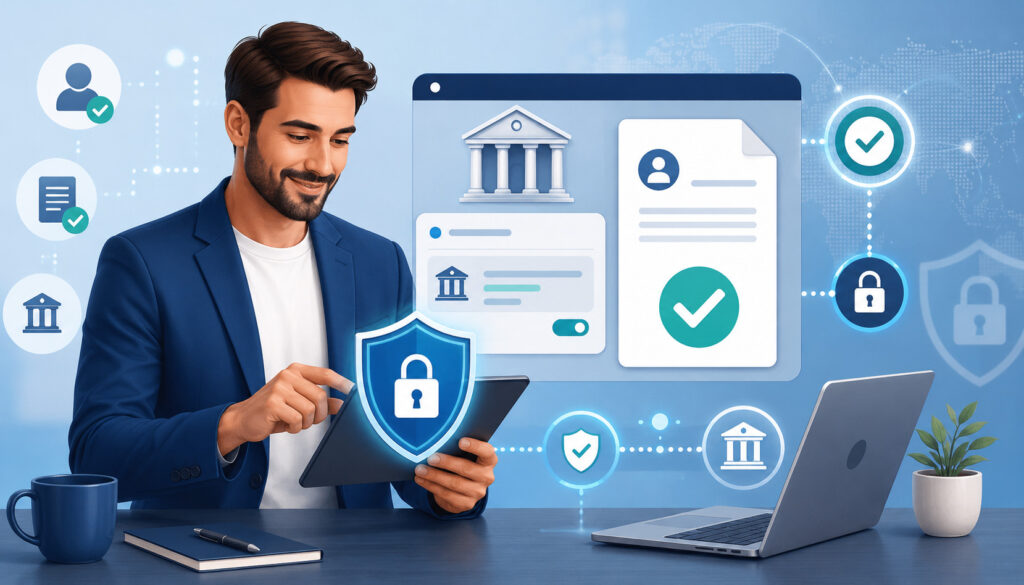
ACH debit security is especially important because the business is pulling funds from a customer’s bank account. The customer’s consent must be clear, and the business must handle bank account information carefully.
ACH debit authorization is common for subscriptions, rent, service agreements, memberships, donations, retainers, invoice payments, and installment billing. Each use case should have a process that matches the customer relationship.
A landlord collecting rent needs clear rent-payment timing and cancellation procedures. A subscription business needs visible recurring billing terms. A nonprofit collecting donations needs donor confirmation and secure storage of donor account information.
A secure ACH debit process should include:
- A clear authorization form or online consent flow
- Confirmation of the account holder’s name and payment account
- A visible payment amount or billing method
- Payment date or schedule
- Cancellation instructions
- Account update instructions
- Secure storage of consent records
- Staff procedures for payment changes
- Return monitoring for unauthorized codes or revoked authorization
Customer communication is part of ACH payment protection. When customers understand what will happen, they are less likely to be surprised by a debit. For recurring ACH payments, billing reminders, invoice notices, portal access, and confirmation emails can reduce confusion.
Businesses should also create a process for revoked authorization. If a customer cancels, support and billing teams should record the cancellation promptly and make sure future ACH debits stop. Failure to process cancellations correctly can create disputes and trust problems.
Secure ACH Credit Payments
ACH credit security focuses on sending money to the correct recipient account. This applies to vendor payments, supplier payments, contractor payments, refunds, reimbursements, payroll-related transfers, partner distributions, landlord payments, and business-to-business transactions.
The main risk with ACH credits is payment redirection. A fraudster may provide fake bank details, impersonate a vendor, compromise an email account, or pressure an employee to bypass normal approval steps. Internal errors can also happen when account numbers are entered incorrectly or outdated vendor records are used.
Businesses should verify new payees before sending ACH credits. They should also verify any banking change using a trusted method. For high-value payments, dual approval is a strong control. One person can enter payment details, while another reviews the recipient, amount, invoice, approval record, and bank information before release.
Secure ACH credit practices include:
- Vendor onboarding checks
- Bank account verification
- Trusted callback procedures for bank changes
- Payment limits and approval thresholds
- Dual control for new or high-value payments
- Review of first payments to new recipients
- Audit logs for account changes
- Separation of payment entry and approval
- Reconciliation against invoices and settlement records
Bank Account Verification Best Practices
Bank account verification helps confirm that a payment account is valid, reachable, and appropriate for ACH activity. It can reduce failed payments, data entry errors, unauthorized activity, and fraud risk.
Verification does not remove every risk, but it improves ACH transaction security by catching problems early. A business may verify routing numbers, account status, account ownership, customer identity, or account access depending on the tools available and the risk level of the transaction.
Common verification methods include micro-deposits, instant account verification, manual documentation review, routing number validation, account ownership checks, and customer identity review. The right method depends on transaction size, business model, customer experience, processing requirements, and risk tolerance.
For lower-risk recurring payments, micro-deposits may be enough. For higher-risk onboarding, large ACH debits, or new vendor payments, stronger account validation may be appropriate. Businesses should also verify account updates, not only first-time accounts.
Micro-Deposit Verification
Micro-deposit verification works by sending one or two small deposits to a customer’s bank account. The customer then confirms the exact amounts in a payment portal or verification form. This helps show that the customer can access the account.
Micro-deposits can be useful because they are familiar and relatively easy to understand. They can reduce incorrect account numbers and help confirm that the customer has access to the bank account being used. However, they are not instant. Customers may need to wait for deposits to appear, which can slow onboarding or first payment collection.
Businesses using micro-deposits should provide clear instructions. Customers should know what to look for, how long it may take, where to enter the amounts, and what happens if verification fails. Staff should also know how to handle expired verification attempts and account changes.
Micro-deposits should be tracked carefully. A business should avoid processing ACH debits until the account is verified when verification is required by its process.
Instant Account Verification
Instant account verification allows a customer or vendor to connect a bank account through a secure verification flow. Depending on the provider and setup, it may confirm account ownership, account status, routing details, or other account information more quickly than micro-deposits.
The main benefit is speed. A customer can often verify an account during checkout, onboarding, billing setup, or recurring payment enrollment. This can improve the user experience and reduce failed ACH payments caused by incorrect account information.
Businesses should still evaluate security and privacy. Before using instant account verification, review how customer data is handled, what information is stored, how access is limited, whether tokenization is available, and how the verification tool fits into the broader ACH payment gateway security process.
The goal is not only faster onboarding. The goal is safer onboarding. Instant verification should support bank account payment security without creating unnecessary data exposure.
Protecting Customer Bank Account Data
Customer bank data includes routing numbers, account numbers, account holder names, authorization records, payment forms, billing schedules, invoices, transaction history, and related communication. This information should be treated as sensitive payment data.
Unsafe data handling is one of the most common ACH payment security mistakes. Businesses should avoid collecting bank details through regular email, text messages, chat threads, unprotected spreadsheets, unsecured document folders, or paper forms left in open areas.
Safer practices include using secure payment portals, encrypted forms, restricted file storage, unique user logins, masked account displays, tokenization, and limited export permissions. Staff should only access bank account details when their role requires it.
Account number protection should be part of daily operations. For example, customer support staff may need to confirm that an account exists, but they may not need to see the full account number.
A bookkeeper may need settlement reports but not permission to edit saved bank accounts. A manager may need approval rights but not the ability to export all customer bank data.
Businesses should also review where ACH data appears outside the payment system. Bank details may be copied into accounting software, saved in customer relationship tools, attached to invoices, stored in scanned PDFs, or included in old email threads. These hidden copies increase risk.
Pro Tip: Search your workflow for “side storage.” If bank details live in spreadsheets, inboxes, shared drives, or scanned forms, reduce or eliminate those copies.
Encryption and Tokenization for ACH Payments
Encryption and tokenization are two important tools for payment data protection. They help reduce exposure of customer bank data during collection, transmission, storage, and recurring billing.
Encryption protects information by making it unreadable to unauthorized parties. For ACH payments, encryption may help protect account numbers, routing numbers, login credentials, payment forms, and stored payment data. Secure payment forms and portals should use encryption when customers enter sensitive bank information.
Tokenization replaces sensitive payment data with a substitute value, often called a token. The token can be used for future transactions without exposing the actual bank account number to staff or business systems. This is especially helpful for recurring ACH payments because the business can bill the customer again without storing full account details internally.
Encryption and tokenization do not replace good procedures. If too many employees have access, MFA is missing, audit logs are ignored, or payment approvals are weak, technical protections alone will not solve the problem. However, they are valuable controls that reduce the amount of sensitive data exposed in daily operations.
Businesses should ask ACH processors or gateway providers how bank data is encrypted, whether tokenization is available, who can view full account details, how exports are controlled, and how data is handled during refunds, returns, and account updates.
Secure Payment Portals and Online ACH Forms
Secure payment portals and online ACH forms are safer than informal data collection methods. A secure portal allows customers to enter bank details directly into a controlled environment rather than sending account numbers through email, text, paper forms, or unsecured documents.
A secure ACH payment form should use HTTPS, clear consent language, confirmation screens, limited data exposure, and appropriate authentication when customers access saved payment details. The form should explain whether the customer is authorizing a one-time ACH debit, recurring ACH payments, or future invoice payments.
Payment portals should also support staff controls. Not every employee needs to view full customer bank data, edit payment accounts, issue refunds, or export ACH records. A strong portal allows permissions to match job responsibilities.
Customers should receive confirmation after submitting ACH payment authorization or bank account updates. This confirmation helps reduce confusion and gives the customer a record of the action. For recurring billing, the customer should understand payment amount, frequency, start date, and cancellation instructions.
Businesses should avoid asking customers to email voided checks unless there is a secure document-upload process and a legitimate operational need. A voided check includes routing and account details that should not move through unprotected channels.
Access Control for ACH Payment Systems
Access control determines who can view, create, edit, approve, refund, export, or delete ACH payment information. It is one of the most important ACH security controls because many payment failures and fraud events start with excessive permissions.
A small business may begin with one person handling everything. As the business grows, that approach becomes risky. The person who enters a payment should not always be the same person who approves it, especially for large vendor payments, refunds, account changes, or unusual transactions.
Access control should apply to ACH dashboards, bank portals, payment gateways, accounting software, customer databases, cloud storage, and email accounts. If an employee can use any of these systems to change payment instructions or access bank data, that access should be reviewed.
Role-Based Access
Role-based access gives employees only the permissions they need for their job. For example, a customer support employee may need view-only access to payment status but not full account numbers. A billing specialist may need to create ACH debits but not approve refunds. A finance manager may need approval rights but not unrestricted admin permissions.
Common permission levels include view-only access, payment entry access, refund access, approval access, reporting access, export access, and admin access. Admin access should be limited to trusted users who need it.
Role-based access supports payment data protection because it reduces unnecessary exposure. It also supports better audit logs because each action is connected to a specific user and permission level.
Removing Old Employee Access
Old employee access is a serious risk. When employees leave the business, change roles, move departments, or no longer support finance operations, their payment access should be removed or updated immediately.
This applies to payment gateways, bank portals, accounting software, invoice platforms, customer portals, password managers, email accounts, shared drives, and reporting tools. A former employee should not retain access to customer bank data, payment dashboards, or refund functions.
Businesses should create an offboarding checklist that includes ACH processor security and payment system access. The checklist should identify every system where payment data may exist. It should also include shared credentials, API keys, saved browser sessions, mobile access, and admin accounts.
Access reviews should happen regularly, not only when someone leaves. A quarterly review is a practical starting point for many businesses, though higher-risk operations may need more frequent checks.
Multi-Factor Authentication for ACH Security
Multi-factor authentication, or MFA, adds an extra step beyond a password. It may involve an authenticator app, security key, biometric check, or one-time code. MFA helps reduce account takeover risk if a password is stolen through phishing, malware, credential reuse, or a data breach.
MFA should be enabled for ACH dashboards, bank portals, payment gateways, accounting software, payroll tools, customer databases, cloud storage, email accounts, and admin consoles. Email MFA is especially important because email is often used for password resets, payment approvals, vendor requests, and account-change communication.
MFA does not make every attack impossible, but it raises the difficulty for criminals. Stronger MFA methods, such as phishing-resistant options where available, can provide better protection than basic text-message codes.
Employees may see MFA as inconvenient at first. Training helps explain why it matters. A stolen email password can lead to fake vendor changes. A stolen payment dashboard login can expose customer bank data. A compromised accounting login can support fraudulent refunds or payment edits.
Dual Control and Payment Approval Workflows
Dual control means one person cannot complete a sensitive payment action alone. One employee may create or enter a payment, while another reviews and approves it. This reduces the risk of mistakes, internal misuse, payment redirection, and unauthorized ACH transfers.
Dual control is especially helpful for ACH credits, vendor bank changes, large invoices, new vendors, refunds, reversals, and account updates. It can also support ACH debit security when staff create recurring billing schedules or make changes to customer payment accounts.
A strong approval workflow answers several questions:
- Who requested the payment?
- What invoice, agreement, or authorization supports it?
- Who entered the payment?
- Who approved it?
- Was the bank account verified?
- Does the amount match the invoice or billing schedule?
- Is the payment unusual for this vendor or customer?
- Was the approval documented?
Small teams can still use dual control. Even if there are only two finance employees, one can prepare the payment and the other can approve it. If a business owner handles approvals, the process should still be documented.
Dual control should not be skipped because a request is urgent. Fraudsters often create urgency to pressure employees into bypassing review steps.
Payment Limits and Transaction Controls
Payment limits help reduce damage when an error or fraud event occurs. Limits can apply to daily totals, transaction amounts, vendor payments, customer debits, refund amounts, account changes, or approval thresholds.
For example, a business might allow routine recurring ACH payments to process automatically under a certain amount but require manager approval for unusual increases. A vendor payment above a set threshold may require dual approval. A first payment to a new supplier may have a lower initial limit until the relationship is verified.
Transaction controls can include:
- Daily ACH debit limits
- Daily ACH credit limits
- Per-transaction limits
- New vendor limits
- Refund limits
- Account-change holds
- Approval thresholds
- Alerts for unusual payment activity
- Restrictions on exporting bank data
- Separate controls for recurring and one-time payments
Payment limits should match business risk. A nonprofit accepting small recurring donations may use different controls than a B2B company sending large supplier payments. A landlord collecting rent may focus on recurring debit authorization and return monitoring, while an ecommerce seller may focus on customer verification and fraud screening.
Vendor and Customer Verification Procedures
Vendor and customer verification procedures help confirm that payment details belong to the right person or organization. They are especially important when new accounts are added or existing bank details are changed.
For vendors, verify banking details during onboarding. Collect documentation through secure channels, confirm the vendor’s identity, and establish a trusted contact record. If the vendor later requests a bank account change, verify the request using contact information already on file.
For customers, verification may involve account validation, identity review, confirmation emails, portal authentication, micro-deposits, instant account verification, or manual review for high-risk transactions. Businesses should pay closer attention to new customers, large payments, unusual billing changes, and repeated failed payment attempts.
A safe bank-change process should include:
- Written request or portal-based update
- Independent callback using trusted contact information
- Review by an authorized employee
- Approval for sensitive changes
- Documentation of the verification step
- Confirmation sent to the known contact
- Audit log review for account changes
Avoid changing banking details based only on email instructions. Email is useful for communication, but it should not be the only security control for ACH payment changes.
ACH Fraud Prevention Table
| Fraud Scenario | Warning Sign | Prevention Step | What to Document |
| Fake vendor bank update | Urgent request to change payment details by email | Verify by calling a known contact already on file | Request, callback result, approver, date |
| Unauthorized customer debit | Customer says they never approved the payment | Store clear ACH authorization and confirmation records | Consent record, payment terms, communication |
| Account takeover | Login from unusual location or failed login attempts | Use MFA, alerts, and password resets when needed | Login logs, security actions, user review |
| Refund fraud | Employee or fraudster sends refund to different account | Require approval and match refunds to original records | Original payment, refund approval, recipient |
| Phishing attack | Email asks staff to click a payment link or update credentials | Train staff and verify links through known portals | Reported email, response action, training record |
| Micro-deposit abuse | Multiple failed verification attempts | Limit attempts and review suspicious patterns | Attempt history, account details, customer notes |
| Internal misuse | One user creates, edits, approves, and refunds payments | Use role-based access and dual control | User actions, approval logs, access review |
| Fake customer payment account | New customer uses mismatched or suspicious bank details | Use bank account verification and risk review | Verification result, customer record, decision |
| Ransomware disruption | Payment files or records become unavailable | Maintain backups and incident response procedures | Backup status, incident timeline, recovery steps |
| Return pattern abuse | Repeated unauthorized or invalid-account returns | Monitor ACH returns and adjust processing rules | Return codes, customer history, action taken |
Monitoring ACH Returns and Failed Payments
ACH returns occur when a payment cannot be completed or is sent back through the ACH process. Returns may happen because of insufficient funds, account closed, invalid account number, stop payment, frozen account, revoked authorization, unauthorized transaction, or other reasons.
Return monitoring is a security practice, not only a bookkeeping task. A single return may be an ordinary payment issue. A pattern of returns may indicate data entry problems, weak verification, customer confusion, fraud attempts, or poor authorization records.
Businesses should review ACH return codes quickly and take appropriate action. For example, insufficient funds may call for customer communication and retry rules. An invalid account number may indicate data entry errors or failed verification. An unauthorized return requires careful review of the authorization record and customer communication.
Failed payments should not be retried blindly. Repeated retries can frustrate customers, increase fees, and create additional disputes. Businesses should define when retries are allowed, how customers are notified, and when an account should be paused for review.
ACH return monitoring should connect to reconciliation. If a payment was marked paid but later returned, the invoice, customer balance, settlement record, and accounting entry may need correction.
ACH Reconciliation and Security
Reconciliation supports ACH payment security by confirming that payment records match actual money movement. It helps identify missing payments, duplicate debits, incorrect refunds, unexpected returns, settlement delays, and suspicious activity.
A complete ACH reconciliation process compares several records:
- Customer invoices
- ACH submissions
- Gateway reports
- Bank deposits
- Settlement batches
- ACH returns
- Refunds
- Reversals
- Accounting software entries
- Customer balances
- Vendor payment records
When these records do not match, the business should investigate. A mismatch may be a simple timing issue, but it may also reveal a refund error, returned payment, duplicate payment, unauthorized change, or bank account update problem.
Reconciliation should happen regularly. Daily review may be appropriate for higher-volume businesses, while smaller operations may use a weekly routine. The key is consistency. Delayed reconciliation allows errors and suspicious activity to remain unnoticed.
Refunds, Reversals, and Corrections
ACH refunds, reversals, and corrections should be handled carefully because they affect customer balances, bank activity, accounting records, and audit trails. A casual refund process can create duplicate refunds, payment mismatches, or fraud opportunities.
A secure refund process should confirm the original payment, the refund reason, the approved amount, the recipient account, and the employee approving the action. Refunds should usually go back through an approved process rather than being sent informally to a different account.
Corrections should also be documented. If a customer was charged the wrong amount, the business should record what happened, who approved the correction, how the customer was notified, and how the accounting records were updated.
Reversals and corrections may involve specific rules, timing limits, and financial-partner requirements. Businesses should avoid guessing and should consult their processor, bank, or qualified advisor when uncertain.
Customer communication matters. If a refund, reversal, or correction will affect timing or account balances, the customer should receive a clear explanation through an approved communication channel.
Recurring ACH Payment Security
Recurring ACH payments are useful for subscriptions, memberships, rent, tuition, retainers, donations, service contracts, and installment billing. They also require careful controls because the business is initiating payments repeatedly after the original setup.
Recurring ACH payment security begins with clear authorization. Customers should understand payment amount, frequency, start date, billing method, cancellation process, and account update procedure. If the amount varies, the customer should know how it is calculated and when notices are provided.
Businesses should maintain accurate recurring billing records. If a customer cancels, changes plans, updates a bank account, pauses service, or disputes a payment, the billing system should reflect that change quickly.
Security practices for recurring ACH include:
- Secure account setup
- Customer confirmation after enrollment
- Billing reminders when appropriate
- Easy account update process
- Documented cancellation handling
- Return monitoring
- Retry rules
- Access control for billing changes
- Audit logs for recurring plan edits
Recurring billing should not depend on memory or informal notes. Use systems that track authorizations, customer changes, payment attempts, returns, and support interactions.
ACH Security for B2B Payments
B2B ACH security focuses heavily on vendor onboarding, invoice approval, account validation, dual control, and payment monitoring. Business-to-business payments may involve larger amounts, longer vendor relationships, and more complex approval chains.
A secure B2B ACH process starts before the first payment. Vendor records should include legal name, payment contact, tax or onboarding documentation where appropriate, bank account details collected through secure methods, and trusted contact information for future verification.
Invoice approval should be separate from payment release when possible. Someone should confirm that goods or services were received, the invoice is valid, the amount is correct, and the payment account matches verified records.
Bank account changes should receive extra scrutiny. A vendor that has been paid safely for years can still be impersonated. Use callback verification, require approval, and document the change.
B2B companies should also monitor payment patterns. A sudden change in account destination, invoice size, payment frequency, or payment timing may deserve review. Alerts and approval thresholds can help detect unusual activity before funds leave the account.
ACH Security for Ecommerce and Online Payments
Ecommerce ACH payment security involves secure checkout, customer authentication, fraud screening, account verification, return monitoring, and clear payment confirmation. Online ACH may be used for high-value purchases, subscriptions, invoices, memberships, or account-based checkout.
Because the customer is not physically present, online ACH forms should collect bank details through secure hosted pages or protected portals. Businesses should avoid asking customers to email bank information or upload sensitive documents through unsecured channels.
Fraud screening may include identity review, account validation, velocity checks, suspicious behavior monitoring, device signals, and review of high-value orders. If ACH payments are used for digital goods, fast fulfillment, or expensive items, businesses should be careful about releasing goods or services before return risk is understood.
Customers should receive confirmation after submitting an ACH payment. The confirmation should include payment amount, timing expectations, contact information, and next steps if the customer needs to update or cancel authorization.
Employee Training for ACH Payment Security
Employee training is one of the most effective ACH fraud prevention tools. Even strong systems can fail when staff do not understand payment risks, bank data handling, phishing, authorization records, or approval procedures.
Training should be practical and role-specific. A finance manager needs to understand payment approvals and bank account changes. A bookkeeper needs to understand reconciliation and return review. Customer support staff need to know how to handle payment questions without collecting sensitive bank data through unsafe channels.
Training topics should include:
- ACH authorization requirements
- Customer bank data handling
- Secure payment portals
- Phishing prevention
- Business email compromise
- Vendor bank-change verification
- Refund approval procedures
- MFA and password safety
- Suspicious activity reporting
- ACH returns and failed payments
- Reconciliation procedures
- Incident escalation steps
Training Finance and Bookkeeping Teams
Finance and bookkeeping teams need clear procedures because they often handle the highest-risk payment tasks. They may create ACH files, approve transfers, reconcile settlement records, update vendor accounts, issue refunds, and review ACH returns.
Training should show exactly how to verify bank account changes, match payments to invoices, document approvals, and escalate unusual requests. Staff should understand that urgency is a warning sign, not a reason to skip controls.
Finance training should also include exception handling. Employees should know what to do when an ACH return arrives, a customer disputes a debit, a vendor requests a bank change, or a payment amount does not match an invoice.
Training Customer-Facing Staff
Customer-facing employees may not approve ACH payments, but they still affect ACH payment security. They may send payment links, answer billing questions, help customers update bank accounts, or receive cancellation requests.
These employees should know how to verify customer identity before discussing payment details. They should avoid asking customers to send bank account numbers by email or chat. They should also understand how to route sensitive payment changes through approved systems.
Customer-facing teams should document requests accurately. If a customer cancels recurring ACH payments, updates a bank account, or reports unauthorized activity, the record should be clear enough for billing and finance teams to act quickly.
Phishing Prevention for ACH Payment Protection
Phishing can lead to stolen logins, fake bank changes, malware, ransomware, account takeover, and payment redirection. ACH payment protection depends on employees recognizing suspicious messages and knowing how to respond.
Common phishing warning signs include urgent language, unexpected attachments, unusual sender addresses, payment-change requests, password reset links, fake invoices, and messages that ask employees to bypass normal procedures. Some phishing emails are poorly written, but others are polished and targeted.
Practical phishing prevention steps include:
- Verify payment changes outside email
- Use MFA on email and payment systems
- Hover carefully over links before clicking
- Avoid downloading unexpected attachments
- Report suspicious messages internally
- Use known portals rather than email links
- Confirm unusual requests with trusted contacts
- Keep devices and browsers updated
- Use security tools where appropriate
- Train staff with realistic examples
Pro Tip: A payment-change email should start a verification process, not complete one.
Businesses should also protect executive and finance email accounts carefully. Attackers often target people who can approve payments, reset passwords, or influence payment instructions.
Ransomware and Business Continuity
Ransomware can disrupt ACH payment operations by locking access to accounting systems, customer records, invoices, payment files, authorization records, and settlement reports. Even if payment data is not stolen, the business may be unable to bill customers, pay vendors, reconcile deposits, or respond to disputes.
Business continuity planning helps reduce this risk. Businesses should maintain secure backups, protect endpoints, limit user access, use MFA, keep software updated, and document recovery procedures. Payment operations should be included in incident response planning.
A backup payment procedure can help if the primary system is unavailable. This does not mean bypassing security controls. It means documenting how essential payments will be reviewed, approved, and recorded during an outage.
Important continuity questions include:
- Where are ACH authorization records backed up?
- Who can access payment records during an outage?
- How will vendor payments be approved if systems are down?
- How will customer cancellations be documented?
- How will returned payments be reviewed?
- Who contacts financial partners during an incident?
Ransomware prevention is not only an IT issue. It is a payment operations issue because system availability affects billing, settlement, refunds, and customer trust.
Audit Logs and ACH Activity Monitoring
Audit logs record important actions in payment systems. They help businesses understand who logged in, who created payments, who approved them, who changed bank details, who issued refunds, who changed permissions, and who exported reports.
Audit logs are valuable for security reviews and incident response. If a suspicious ACH payment occurs, logs can help identify whether a user account was compromised, whether permissions were changed, whether a bank account was updated, or whether a refund was issued outside normal procedures.
Businesses should monitor audit logs for:
- Failed login attempts
- Login from unusual locations
- New user creation
- Admin permission changes
- Bank account changes
- Payment creation
- Payment approval
- Refunds
- Reversals
- Data exports
- Deleted records
- Recurring billing edits
Audit logs should be protected from tampering. Admin users should not be able to casually delete logs without oversight. Higher-risk businesses may need stronger monitoring and alerts.
ACH Payment Security Checklist
Use this checklist to review ACH payment security practices across your business:
- ACH authorization process documented.
- Customer consent records stored securely.
- Bank account verification used where appropriate.
- MFA enabled for payment systems, bank portals, email, and accounting tools.
- Role-based access applied.
- Old employee access removed promptly.
- Dual approval used for sensitive payments.
- Vendor bank changes verified through trusted contact records.
- Payment limits reviewed regularly.
- ACH returns monitored.
- Refunds documented.
- Reconciliation completed regularly.
- Customer bank data protected.
- Payment dashboards secured.
- Staff trained on phishing.
- Audit logs reviewed.
- Incident response plan documented.
- Secure payment portals used for ACH collection.
- Account number protection applied wherever possible.
- Payment approvals documented.
- Recurring payment changes tracked.
- Customer cancellation requests recorded.
- Settlement reports matched to accounting records.
This checklist should be reviewed periodically. ACH payment security changes as the business grows, staff roles change, transaction volume increases, and fraud patterns evolve.
Common ACH Payment Security Mistakes
Many ACH payment security mistakes are preventable. They usually happen because a process was built quickly and never updated. As payment volume grows, informal habits become risky.
Common mistakes include collecting bank data by email, sharing logins, skipping MFA, failing to verify vendor bank changes, storing authorization records in scattered folders, ignoring ACH returns, delaying reconciliation, giving too many employees admin access, and failing to train staff on phishing.
Authorization Mistakes
Authorization mistakes include vague consent language, missing records, unclear recurring billing terms, poor cancellation tracking, and failure to update customer authorization records when terms change.
A business may believe a customer agreed to payment terms, but if the record is incomplete, the business may struggle during a dispute. This is especially risky for recurring ACH payments, variable invoice amounts, and account updates.
The fix is to standardize authorization. Use approved forms or portal flows, store records securely, confirm customer consent, and document cancellations or changes.
Access and Workflow Mistakes
Access mistakes include shared passwords, old employee accounts, too many admin users, no approval process, no payment limits, and no audit log review. These problems increase both internal and external risk.
Workflow mistakes often appear during busy periods. Staff may approve payments through email, skip callback verification, process refunds without matching original records, or override controls because a request seems urgent.
The solution is a documented process that employees can follow under pressure. Secure workflows should be easy enough to use consistently.
What to Do If an ACH Security Issue Happens
If an ACH security issue happens, the business should respond quickly and carefully. The right response depends on the situation, but the first goal is to reduce further harm and preserve accurate records.
Practical response steps include:
- Pause affected ACH activity if appropriate.
- Review transaction records.
- Secure user accounts.
- Change passwords where needed.
- Confirm MFA status.
- Review recent bank account changes.
- Check payment approvals and refund activity.
- Contact relevant financial partners.
- Preserve documentation and audit logs.
- Notify affected parties when appropriate.
- Review ACH returns and disputes.
- Consult qualified legal, compliance, banking, or cybersecurity professionals when needed.
- Update procedures after the incident.
Avoid deleting records or making rushed changes without documentation. Incident response depends on clear timelines, payment records, user logs, communications, and bank activity.
After the immediate issue is handled, review the root cause. Did someone click a phishing link? Was MFA missing? Did an employee skip bank-change verification? Were permissions too broad? Did reconciliation happen too late? The answer should guide future controls.
Questions Businesses Should Ask About ACH Security
A practical ACH payment security review starts with good questions. Businesses do not need to solve everything at once, but they should understand their current gaps.
Ask:
- How are ACH authorizations collected?
- Where are authorization records stored?
- Who can view customer bank account details?
- Is MFA enabled on payment systems?
- Are payment approvals required?
- Are vendor bank changes verified?
- Are payment limits active?
- How are ACH returns monitored?
- How are refunds approved?
- Are audit logs available?
- How often is access reviewed?
- How quickly is old employee access removed?
- Are recurring ACH payment changes documented?
- How are customer cancellations handled?
- How is reconciliation performed?
- What is the incident response process?
- Are staff trained on phishing and business email compromise?
These questions should be reviewed by finance, operations, management, and technology stakeholders. ACH security is strongest when it is owned by the whole business, not only one person.
Best Practices for Ongoing ACH Payment Protection
Ongoing ACH payment protection requires consistency. A business does not become secure by writing a policy once. It becomes safer by applying good procedures every time payments are collected, sent, changed, refunded, reconciled, or disputed.
The most practical best practices are:
- Use secure payment portals instead of email collection.
- Keep ACH authorization records organized.
- Enable MFA across payment-related systems.
- Apply role-based access.
- Remove unnecessary permissions.
- Verify vendor bank changes outside email.
- Use bank account verification where appropriate.
- Require dual control for sensitive payments.
- Set payment limits and approval thresholds.
- Monitor ACH returns and return patterns.
- Reconcile settlement activity regularly.
- Review audit logs.
- Train employees on phishing and payment redirection.
- Protect customer bank data with encryption and tokenization where available.
- Document refund and correction procedures.
- Review procedures as the business grows.
What is ACH payment security?
ACH payment security is the set of practices businesses use to protect ACH payments from fraud, errors, unauthorized activity, and data exposure.
It includes ACH authorization, secure payment portals, bank account verification, payment approvals, access control, MFA, return monitoring, reconciliation, and audit logs.
It also includes protecting customer bank data such as routing numbers, account numbers, account holder names, payment records, and authorization documents.
What is ACH security?
ACH security refers to safeguards that protect ACH debit and ACH credit transactions. It includes technical protections like encryption and tokenization, but it also includes operational controls like dual approval, role-based access, vendor verification, and staff training.
Good ACH security reduces the risk of unauthorized ACH transactions, payment redirection, stolen bank details, failed payments, and poor documentation.
Are ACH payments secure?
ACH payments can be secure when businesses use proper authorization, verification, access control, and monitoring. The ACH network is widely used for electronic bank transfers, but businesses still need strong internal controls.
No payment method is risk-free. ACH payment security depends on how the business collects bank data, verifies accounts, manages permissions, monitors returns, and handles disputes.
How can businesses make ACH payments more secure?
Businesses can make ACH payments more secure by using secure payment portals, collecting clear ACH authorization, verifying bank accounts, enabling MFA, limiting employee access, using dual control, setting payment limits, monitoring ACH returns, reconciling regularly, and training staff on phishing.
The most important step is to avoid informal payment workflows. Bank data and payment changes should move through documented, secure processes.
What is ACH payment protection?
ACH payment protection means reducing the chance that ACH payments are unauthorized, misdirected, mishandled, or exposed. It includes customer consent, bank account payment security, payment data protection, fraud monitoring, and careful payment operations.
ACH payment protection is especially important for recurring ACH payments, vendor payments, refunds, and high-value B2B transactions.
What are the biggest ACH transaction security risks?
Common ACH transaction security risks include unauthorized debits, stolen bank account details, phishing, business email compromise, fake vendor bank changes, account takeover, weak passwords, shared logins, poor authorization records, internal misuse, and delayed return monitoring.
Businesses should focus on both cyber threats and process weaknesses. Many ACH payment fraud events succeed because someone skipped a verification or approval step.
Why is ACH authorization important?
ACH authorization is important because it shows that the customer gave permission for the business to debit their bank account. Without clear authorization records, the business may struggle to respond to ACH payment disputes or unauthorized transaction claims.
Authorization is especially important for recurring billing, variable payment amounts, payment plan changes, and customer cancellations.
How does bank account verification improve ACH security?
Bank account verification helps confirm that account details are valid and that the customer or vendor has access to the account. Verification may reduce invalid account entries, failed payments, misdirected payments, and some fraud risk.
Common methods include micro-deposits, instant account verification, routing number validation, account ownership checks, and manual review when appropriate.
Final Thoughts
ACH payment security protects customers, business funds, payment operations, account data, cash flow, and trust. ACH payments can be efficient for invoices, subscriptions, rent, donations, vendor payments, and B2B transactions, but they require responsible handling.
Secure ACH payments depend on several habits working together: clear ACH authorization, bank account verification, customer bank data protection, role-based access, MFA, dual control, fraud monitoring, return review, reconciliation, audit logs, and employee training.
Businesses should avoid unsafe shortcuts such as collecting bank details by email, sharing logins, skipping approvals, ignoring returns, or changing vendor banking instructions based only on email. These shortcuts may seem convenient, but they increase the chance of unauthorized ACH transactions, ACH payment disputes, and payment fraud.
The best approach is practical and steady. Document ACH procedures, protect sensitive payment data, review access regularly, train staff, and strengthen security one step at a time.